
WOMEN’S RIGHTS GROUPS OPPOSE PROPOSED SCRAPPING OF ZIMBABWE GENDER COMMISSION UNDER CAB3
HARARE – Women’s rights organisations have raised concerns over the proposed abolition of the Zimbabwe Gender Commission (ZGC) through Constitutional Amendment Bill No. 3 (CAB3), arguing that the move threatens gains made in advancing gender equality and protecting women’s rights in Zimbabwe.
According to Clause 18 on Page 5 of the Bill, Chapter 12 of the Constitution would be amended through the repeal of Part 4, which establishes the Zimbabwe Gender Commission.
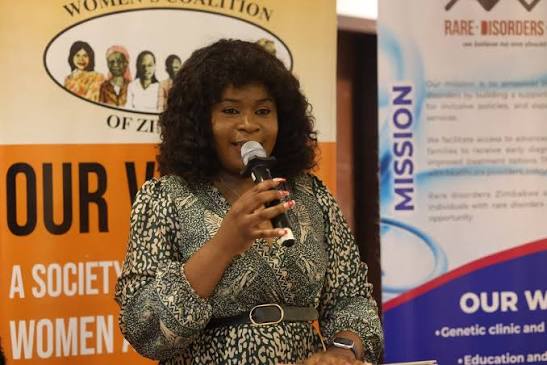
Speaking in an exclusive interview with Identities Media, Women’s Coalition of Zimbabwe (WCoZ) Director and National Coordinator, Mercy Jaravani, said removing the commission would leave a significant gap in addressing issues that disproportionately affect women and girls.
“There are historical injustices relating to gender equality and women’s rights that still need to be addressed. We need a dedicated institution that focuses specifically on these issues. Matters such as child marriages, property rights, and gender-based violence require specialised attention and expertise,” said Jaravani.
She likened the commission to a respected aunt within a family structure, whose role is critical in resolving sensitive issues and providing guidance.
Jaravani also questioned the policy inconsistency between the proposed constitutional amendment and the government’s National Development Strategy 2 (NDS2).
“You pointed out NDS2, which came into effect in January and explicitly speaks about strengthening independent institutions. It specifically mentions the Zimbabwe Gender Commission as one of the commissions to be strengthened. Yet, shortly afterwards, we see a proposal to disband the commission altogether. What message does that send?” she asked.
Women and Law in Southern Africa (WLSA) Zimbabwe Executive Director, Anesu Chirisa, said the Zimbabwe Gender Commission remains one of the key institutions established under the 2013 Constitution to advance gender equality and protect women’s rights.
“The 2013 Constitution was a landmark development in terms of human rights protection, gender equality and gender parity. Compared to the Lancaster House Constitution, it significantly strengthened the protection of women’s rights. Women’s rights organisations welcomed the creation of institutions such as the Zimbabwe Gender Commission, which were established to safeguard, investigate and address human rights violations affecting women,” said Chirisa.
She noted that the commission has played a crucial role in promoting accountability, investigating complaints and advocating for the rights of women across the country.
With gender-based violence continuing to affect thousands of women and girls, stakeholders argue that the commission’s role remains as relevant as ever.
Women who spoke to this publication from different parts of the country also expressed concern over the proposed removal of the commission, calling instead for it to be strengthened.
“We are appealing to Parliament not to remove the Zimbabwe Gender Commission. It has been protecting our rights for many years. Instead of abolishing it, the commission should be strengthened so that it can continue serving women across the country,” said a woman from Norton.
As debate around Constitutional Amendment Bill No. 3 continues, women’s rights advocates are urging lawmakers to preserve institutions they say are essential in promoting gender equality, protecting vulnerable groups and ensuring Zimbabwe upholds its constitutional commitments to women’s rights.


Add comment